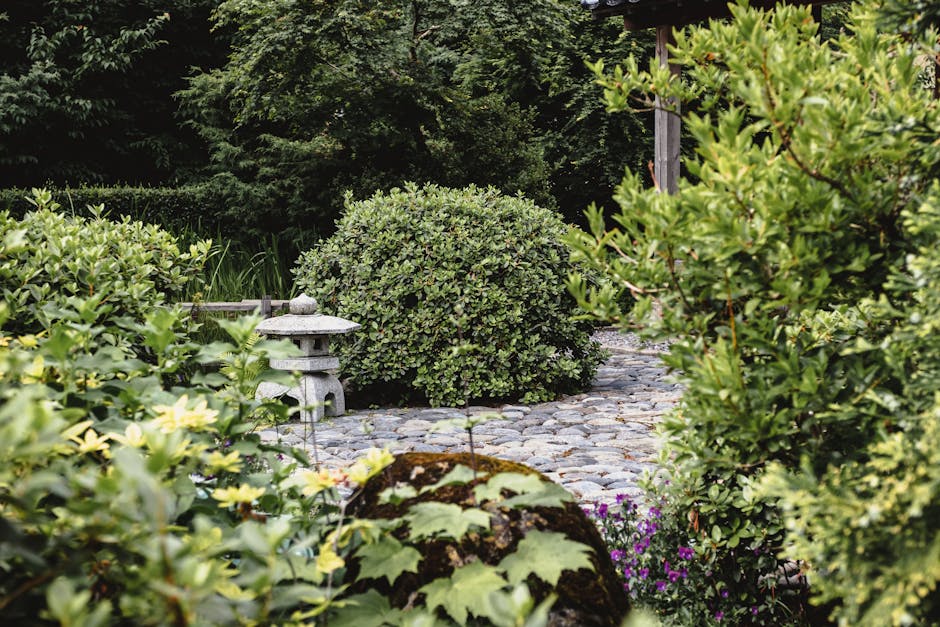
Best gardeners for NW8 St Johns Wood High Street gardens
If you're searching for the Best gardeners for NW8 St Johns Wood High Street gardens, you're probably after more than a quick tidy-up. You want someone who understands London planting, narrow access, varied light levels, and the simple reality that a front garden near a busy high street has to look good all year without becoming high-maintenance. That's a fair ask. In an area like St John's Wood, the best results usually come from gardeners who combine tidy workmanship with practical judgment, not just a list of tools and a confident handshake.
Good garden work here is about balance. You want structure, curb appeal, privacy, and planting that can handle city conditions. You also want someone who turns up on time, clears up properly, and doesn't treat your garden like a one-size-fits-all job. This guide walks through what matters, how to choose well, what to expect, and how to avoid the usual frustrations that can sneak up on you. If you're comparing providers, looking for ongoing maintenance, or planning a one-off refresh, you'll find the useful stuff here.
Table of Contents
- Why Best gardeners for NW8 St Johns Wood High Street gardens Matters
- How Best gardeners for NW8 St Johns Wood High Street gardens Works
- Key Benefits and Practical Advantages
- Who This Is For and When It Makes Sense
- Step-by-Step Guidance
- Expert Tips for Better Results
- Common Mistakes to Avoid
- Tools, Resources and Recommendations
- Law, Compliance, Standards, or Best Practice
- Options, Methods, or Comparison Table
- Case Study or Real-World Example
- Practical Checklist
- Conclusion
- Frequently Asked Questions
Why Best gardeners for NW8 St Johns Wood High Street gardens Matters
St John's Wood has a look and feel that people notice straight away. Gardens near High Street often sit close to footfall, parked cars, delivery traffic, and the usual London mix of shade, reflected heat, and dust. That means the wrong garden approach can show up quickly. A hedge cut too hard, a border planted with the wrong species, or a maintenance schedule that ignores seasonal growth can leave the whole place looking tired within weeks.
The best gardeners do more than "keep it neat". They understand how a small front garden frames a property, how a courtyard feels in morning shade, and how to make compact spaces breathe. For many homes and managed properties in NW8, that creates real value in appearance and day-to-day ease. To be fair, a lot of garden problems are not dramatic. They're just annoying: moss on paving, overcrowded shrubs, planters drying out too fast, or lawns that struggle because nobody has looked at drainage properly.
That is why choosing wisely matters. Good local gardeners can spot these issues early, explain what actually needs doing, and avoid wasting your budget on cosmetic fixes that don't last. If you're also thinking about wider outdoor upkeep, pages such as garden maintenance services and professional lawn care can help you see how regular care fits into a longer-term plan.
How Best gardeners for NW8 St Johns Wood High Street gardens Works
In practical terms, hiring the right gardener for a St John's Wood High Street garden usually starts with an assessment. A good gardener should look at sunlight, soil condition, access, irrigation needs, and the amount of time you want to spend on upkeep. They should also ask about your priorities. Do you want more colour? Better privacy? A cleaner entrance? Less maintenance? These answers shape the whole job.
For many properties, the work falls into one of three patterns:
- One-off tidy and reset - useful after a long gap, before a sale, or at the start of a season.
- Scheduled maintenance - ideal if you want the garden to stay in shape with regular visits.
- Planting and redesign support - better when the space needs a stronger structure, new borders, or more reliable planting.
Most good gardeners will then recommend a realistic plan. That might include pruning, weeding, lawn edging, mulching, planting, hedge shaping, container care, and clearing debris. In our experience, the best results often come from a modest plan done well rather than a dramatic "revamp" that looks impressive for two weeks and then unravels. Gardening has a funny way of reminding you who's boss.
If the property is part of a larger building or managed block, it can help to align garden work with other property services. For example, some clients pair outdoor work with landscaping support or broader property maintenance so the whole exterior feels cohesive rather than patched together.
Key Benefits and Practical Advantages
Choosing the right gardening service in NW8 brings benefits that are easy to see and, honestly, easy to miss if you only think short term. A tidy garden looks better, yes. But good maintenance also protects planting, reduces avoidable repairs, and makes the space more usable through the year.
- Better first impressions - especially important for frontage, shared entrances, and homes close to the High Street.
- Healthier plants - pruning at the right time and feeding properly can prevent weak growth and patchy borders.
- Less ongoing hassle - a well-planned garden is easier to maintain, even in busy weeks.
- Improved privacy and structure - essential in London gardens where neighbouring sightlines can be close.
- Safer paths and access - keeping paving clear helps reduce slips and trip risks, especially in wet weather.
- More predictable spend - maintenance plans can reduce the need for bigger corrective jobs later.
There's also a quieter benefit: peace of mind. A neat front garden or entrance strip can make the whole property feel calmer. You notice it when you come home on a grey evening and the paving is clean, the evergreens are shaped, and the place just feels looked after. Small thing, but it matters.
Who This Is For and When It Makes Sense
This kind of service is useful for a few different groups. You may be a homeowner who wants the garden to look smart without spending every weekend on it. You may be a landlord or agent trying to keep an entry garden presentable for viewings. Or you may manage a townhouse, apartment courtyard, or shared space that needs reliable care rather than occasional rescue work.
It also makes sense in specific situations:
- Before spring and summer, when growth picks up fast and everything suddenly needs attention at once.
- After winter, when debris, moss, and weather damage can leave the space looking flat.
- Before a property sale or letting, when presentation can influence the feel of the whole place.
- When a garden has become too much to manage, which happens more often than people admit.
- When planting is failing repeatedly, suggesting a deeper issue with soil, shade, or watering.
And if your garden is more than just a patch of lawn, it helps to work with people who understand layering, seasonal colour, and practical maintenance. A modest courtyard can look brilliant with the right structure. Really brilliant. It doesn't need to be fussy.
Step-by-Step Guidance
If you want a sensible way to choose and brief a gardener, start here. This is the part many people skip, then wonder why the result feels off. Truth be told, a clear brief saves time and money.
- Define what you want the garden to do. Is it for appearance, privacy, entertaining, low maintenance, or all four?
- Walk the space at different times of day. Morning shade, afternoon sun, and evening damp can all change how a garden behaves.
- List the recurring problems. For example: weeds, patchy grass, poor drainage, overgrown shrubs, or containers that dry out.
- Ask for a site visit. A good gardener should want to see the space rather than guess from a photo alone.
- Discuss maintenance frequency. Weekly, fortnightly, monthly, or seasonal visits each suit different gardens.
- Request a written scope. This should say what is included, what is not, and any follow-up work likely to be needed.
- Agree on plant care and disposal. Waste removal, green waste handling, and plant replacement should not be vague.
- Review after the first visit. A small adjustment early on is easier than fixing months of mismatch later.
A useful tip: if the gardener talks only about cutting and clearing, ask what they would do to improve the garden's structure over time. The answer tells you a lot. The best gardeners think beyond the next visit.
Expert Tips for Better Results
Good garden work is rarely about doing more. It's about doing the right things, in the right order, at the right time. That's the difference between a garden that looks tidy and one that genuinely improves.
1. Match planting to the actual light conditions
London gardens often have more shade than owners expect. A spot that looks bright from the back door may get only a few hours of direct light. Shade-tolerant planting saves a lot of grief. If the border keeps failing, the issue may not be "bad luck" at all.
2. Prioritise structure before colour
Evergreen shapes, hedging, and evergreen perennials create a reliable framework. Once that is in place, seasonal flowers make more sense and don't have to carry the whole design on their own.
3. Avoid hard pruning at the wrong time
Some shrubs tolerate heavy pruning, others do not. If someone promises to "chop everything back" without explaining why, be cautious. The garden may look neat for a minute, then sulk for months. Not ideal.
4. Keep access and maintenance in mind
In tighter NW8 spaces, a beautiful border that cannot be reached properly becomes a problem. Leave enough space for tools, watering, and future growth. Beauty should not block itself off.
5. Use containers strategically
For high street-adjacent gardens or entrances, containers can add seasonal colour without committing to a full redesign. They are also easier to refresh. If you want help keeping them in shape, a service like seasonal planting and container displays can be a smart fit.
One more thing: ask for plain-English explanations. If a gardener says a plant is "in the wrong aspect," that should be translated into something clear, like "it needs more light" or "it will struggle here unless we change the planting." Clear beats clever every time.
Common Mistakes to Avoid
People often think the biggest risk is picking the wrong gardener. Sometimes it is. But just as often the bigger issue is a vague brief or unrealistic expectations. A few common mistakes come up again and again.
- Choosing on price alone. Cheaper work can become expensive if it needs redoing.
- Not clarifying maintenance frequency. A monthly visit may not be enough for fast-growing hedges or busy entrance areas.
- Ignoring drainage and soil. If the soil is compacted or waterlogged, cosmetic work will only go so far.
- Overplanting small spaces. Crowding leads to weak growth and a cluttered look.
- Expecting instant maturity. A garden may improve quickly, but planting usually needs a season or two to settle.
- Skipping waste disposal details. Green waste left behind can undo the whole impression. It happens, and it's annoying.
There's also a quieter mistake: assuming all gardening jobs are the same. They're not. A neat courtyard, a front terrace, and a shared townhouse garden may need very different approaches. Small spaces can actually be more demanding, not less.
Tools, Resources and Recommendations
You do not need to know every tool a gardener uses, but it helps to understand the basics. That way, you can judge whether the approach sounds sensible.
| Tool or Resource | Why It Helps | What to Look For |
|---|---|---|
| Sharp secateurs and shears | Cleaner pruning, less plant damage | Regular maintenance and proper use |
| Soil improvers and mulch | Helps retention, structure, and weed suppression | Applied at the right depth and time |
| Reliable watering equipment | Keeps new planting established | Consistent watering plan, not just ad hoc visits |
| Hedge trimmer and edging tools | Creates clean lines and keeps boundaries crisp | Used carefully, not aggressively |
| Planting plan or seasonal calendar | Helps avoid poor timing and failed planting | Simple schedule with realistic follow-up |
It also helps if your gardener can recommend practical companion services where needed. For example, if your outdoor space needs reshaping as well as maintenance, a garden design consultation can provide the blueprint before the ongoing upkeep begins. And if the job involves broader outdoor surfaces, patio and driveway cleaning may make the whole frontage feel transformed without unnecessary drama.
Law, Compliance, Standards, or Best Practice
For most domestic garden work, the main concerns are practical best practice rather than complex regulation. Still, there are some sensible standards worth keeping in mind. Noise, waste, access, and neighbour consideration all matter, especially in a busy part of London.
Gardeners should work carefully around access routes, shared entrances, and any areas where members of the public or neighbours might be affected. If waste is removed, it should be handled responsibly and in line with normal local disposal expectations. If herbicides or other treatments are used, they should be used cautiously and only where appropriate. A professional gardener should be able to explain what they are doing and why, without hiding behind jargon.
For shared buildings, leasehold properties, or managed gardens, it is wise to confirm who has authority to approve work. That sounds obvious, but plenty of garden jobs become awkward because one person assumed another had signed off on it. Better to ask first. Saves everybody a headache.
Best practice also means choosing plants and methods suited to the site. A shady entrance, a wind-exposed terrace, and a sheltered courtyard should not be treated the same way. Good gardeners know this instinctively, or learn it quickly.
Options, Methods, or Comparison Table
Not every garden needs the same kind of service. Here is a simple comparison that may help you decide what makes sense for your space.
| Option | Best For | Strengths | Watch Out For |
|---|---|---|---|
| One-off tidy-up | Overgrown or neglected gardens | Fast visual improvement, clear reset | May not solve underlying planting issues |
| Regular maintenance | Busy homeowners and managed properties | Consistency, less stress, easier upkeep | Needs the right frequency to be effective |
| Planting refresh | Gardens that look flat or tired | Seasonal colour, stronger structure | Plants still need aftercare and watering |
| Full redesign support | Gardens with layout or drainage problems | Long-term improvement, better use of space | Higher commitment and planning needed |
The right choice depends on what is actually happening in your garden, not just what looks appealing in a brochure. A tidy-up may be perfect for one property. Another may need a redesign because the planting is fighting the site conditions every season. No shame in either.
Case Study or Real-World Example
Here's a realistic example. A compact front garden near St John's Wood High Street had become patchy and awkward: a tired hedge, some overcrowded shrubs, a few pots that never quite thrived, and paving that looked dull by the end of each week. The owner wanted the place to feel calmer and easier to maintain, not overdesigned.
The gardener started with a reset rather than a full redesign. First came pruning, clearing, and a proper edge to define the space. Then the worst-performing shrubs were replaced with sturdier, shade-tolerant planting, and the containers were simplified into a smaller number of stronger seasonal displays. Mulch was added to help reduce weeds and retain moisture. Nothing flashy. Just sensible work, done in the right order.
Within a few visits, the space looked more deliberate. The entrance felt wider. The planting read better from the street. And, perhaps most importantly, upkeep became easier because the space no longer needed constant patching. That is often the real win. Not a "wow" transformation, but a garden that behaves itself.
If you're in a similar position, pairing regular care with services like hedge trimming or planting and border refreshes can create a more stable result over time.
Practical Checklist
Use this checklist before you book or brief a gardener. Simple, yes, but it keeps the conversation grounded.
- Have I defined what I want the garden to do?
- Do I know whether the space needs tidy-up, maintenance, or redesign support?
- Have I noted sun, shade, drainage, and access issues?
- Have I asked how often the garden will need attention?
- Is waste removal included or clearly discussed?
- Are plant replacement and seasonal work explained clearly?
- Do I understand any limits of the current soil or layout?
- Have I checked who needs to approve work if the property is shared or leasehold?
- Is the gardener's scope written down in plain English?
- Do I feel confident they understand local conditions and not just generic gardening?
Quick expert summary: the best results in NW8 usually come from gardeners who listen first, assess properly, and recommend a plan that suits the site. Not the other way round. If they understand the garden, the garden usually tells the truth pretty quickly.
Get a free quote today and see how much you can save.
Conclusion
Finding the right gardener for a St John's Wood High Street garden is really about finding a steady, practical partner for the space. Someone who understands the pace of London growth, the demands of a visible frontage, and the value of a garden that looks good without becoming a burden. That kind of work is less about grand promises and more about consistent, thoughtful care.
If you choose well, your garden becomes easier to live with. It looks sharper, feels calmer, and asks less of you week by week. And let's face it, that's the kind of result most people actually want. Not perfection. Just a garden that works beautifully in real life.
When the right hands are on the job, even a modest space can feel quietly exceptional. That's the lovely part.
Frequently Asked Questions
What should I look for in the best gardeners for NW8 St Johns Wood High Street gardens?
Look for experience with London gardens, clear communication, practical maintenance advice, and a willingness to assess your space properly before quoting. They should understand access, shade, planting, and the need for tidy finishes in visible front or entrance gardens.
How often should a garden near St John's Wood High Street be maintained?
It depends on the planting and how visible the space is. Some gardens do well with fortnightly visits, while others only need seasonal work. Fast-growing hedges, containers, and high-footfall entrances usually need more regular attention.
Is a one-off tidy-up enough for an overgrown garden?
Sometimes, yes. A one-off tidy-up can be a strong reset. But if the garden has weak soil, poor planting choices, or recurring problems, you may also need ongoing maintenance or a planting refresh to stop the same issues returning.
Can gardeners help with small courtyard gardens as well as larger spaces?
Yes, and small spaces often benefit a lot from professional help. Courtyards can be tricky because every plant choice and every line is visible. Good gardeners know how to make compact spaces feel calm rather than crowded.
What is usually included in garden maintenance?
Typical garden maintenance can include weeding, pruning, hedge trimming, lawn care, edging, clearing debris, deadheading, watering, and seasonal planting tasks. Exact services vary, so it's worth asking for a written scope before work starts.
How do I know whether I need garden design or maintenance?
If the garden is basically sound and just needs regular care, maintenance is probably enough. If the layout feels awkward, planting keeps failing, or the space isn't working at all, a design-led approach may be more useful.
Are there any local issues that affect gardens near a busy High Street?
Yes. Dust, traffic exposure, variable shade, privacy concerns, and higher visual standards can all matter. Gardens close to a busy street often need tougher planting, cleaner lines, and more reliable upkeep than quieter suburban plots.
Do I need to be home when the gardener visits?
Not always, but it helps for the first visit or when you want to discuss a new plan. After that, many maintenance jobs can be carried out with good instructions and agreed access arrangements.
What should I ask before booking a gardener?
Ask what is included, how waste is handled, how often visits are recommended, whether plant replacement is available, and how they would improve the space over time. Those answers tell you far more than a generic "yes, we do gardens."
How can I keep a garden looking good between visits?
Focus on the basics: water containers when needed, remove obvious litter, trim only where it is safe and appropriate, and watch for signs of plant stress early. Small interventions help a lot, especially in warmer or windier periods.
Is it better to choose a gardener who works locally in NW8?
Usually, yes. A local gardener is more likely to understand the area's garden styles, access issues, and the kind of planting that works in nearby conditions. That local familiarity can make the whole process smoother and more effective.
What if my garden needs both cleaning and planting work?
That's very common. Many gardens need a reset first, then new planting or border improvement. Starting with clearing and structure usually gives planting a better chance to succeed. It's a more sensible order than trying to do everything at once.